
Marc Bolan Matters
- T.Rex

- Oct 5
- 5 min read
Updated: Nov 19
The curly-haired cosmic dancer who didn’t just join glam rock – he switched on the lights, cranked the amp, and made the whole world boogie.
Before Bolan there was no glitter, no feather boas on Top of the Pops, no acceptable excuse for a grown man to wear silver lamé to the supermarket. One electric chord in 1971 turned a whispering hippie poet into the Electric Warrior – and glam rock exploded into life.
He gave us the blueprint: the riffs, the curls, the cheekbones, the swagger, the poetry wrapped in three-minute pop perfection. Four UK number-one singles (Hot Love, Get It On, Telegram Sam, Metal Guru) – Then three absolute monsters cruelly stuck at #2 (Jeepster, Children of the Revolution, Solid Gold Easy Action). Bowie watched, Slade stomped louder, Sweet added harmonies, Roxy added art-school weirdness – but Marc did it first, did it loudest, and did it with a wink that said “come on babies, let’s have fun.”
A generation of kids suddenly believed rock stars could be fairies, wizards, and sex gods all at once.
Marc Bolan didn’t follow the 70s – he hijacked them, painted them purple, and drove off in a white Rolls-Royce with the top down and the stereo screaming.
The Electric Warrior lit the fuse. The rest is glitter history.
A Trailblazer in the 1970s Music Scene
Marc Bolan, the charismatic frontman of T. Rex, is widely regarded as a pivotal figure in the evolution of popular music, particularly for his role in shaping the glam rock movement of the early 1970s. His innovative blend of music, style, and attitude not only redefined the sound and aesthetic of rock but also laid the groundwork for genres like punk, new wave, and alternative rock. To understand Bolan’s significance, we must first examine the music scene in 1970, just before his meteoric rise, and then explore how his contributions reshaped the cultural landscape.

The Music Scene in 1970: A Time of Transition
In 1970, the music world was in a state of flux, caught between the fading idealism of the 1960s and the emergence of new sounds and attitudes. The Beatles had disbanded, leaving a void in pop culture, while the countercultural energy of Woodstock and the Summer of Love was giving way to disillusionment amid political unrest and economic challenges. The dominant genres included:

Progressive Rock and Heavy Metal: Bands like Pink Floyd, Yes, and King Crimson were pushing rock into complex, cerebral territory with extended compositions and technical virtuosity. Simultaneously, Black Sabbath and Deep Purple were forging the raw, heavy sound of early metal, emphasizing power and aggression.

Singer-Songwriter Introspection: Artists like James Taylor, Joni Mitchell, and Neil Young dominated the charts with introspective, acoustic-driven music that reflected personal and societal anxieties.
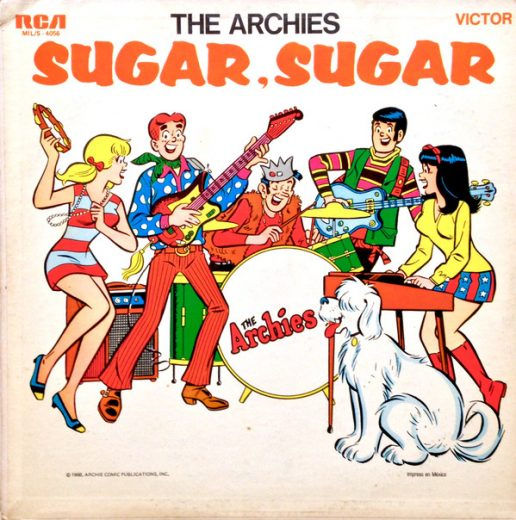
Bubblegum Pop and Mainstream Rock: The charts still featured lightweight pop from acts like The Archies and The Jackson 5, alongside mainstream rock from groups like Creedence Clearwater Revival and The Rolling Stones, who leaned on blues and roots influences.
Fading Psychedelia: The psychedelic movement, led by bands like The Grateful Dead and Jefferson Airplane, was losing steam as its experimental edge became less commercially viable.
The music scene was diverse but fragmented, lacking a unifying spark. Audiences were split between cerebral prog fans, introspective folk listeners, and those craving something more immediate and exciting. Fashion in music was also relatively subdued, with many artists favoring understated or hippie-inspired looks. The stage was set for a figure like Marc Bolan to inject fresh energy, theatricality, and accessibility into rock.

Marc Bolan’s Rise and the Birth of Glam Rock
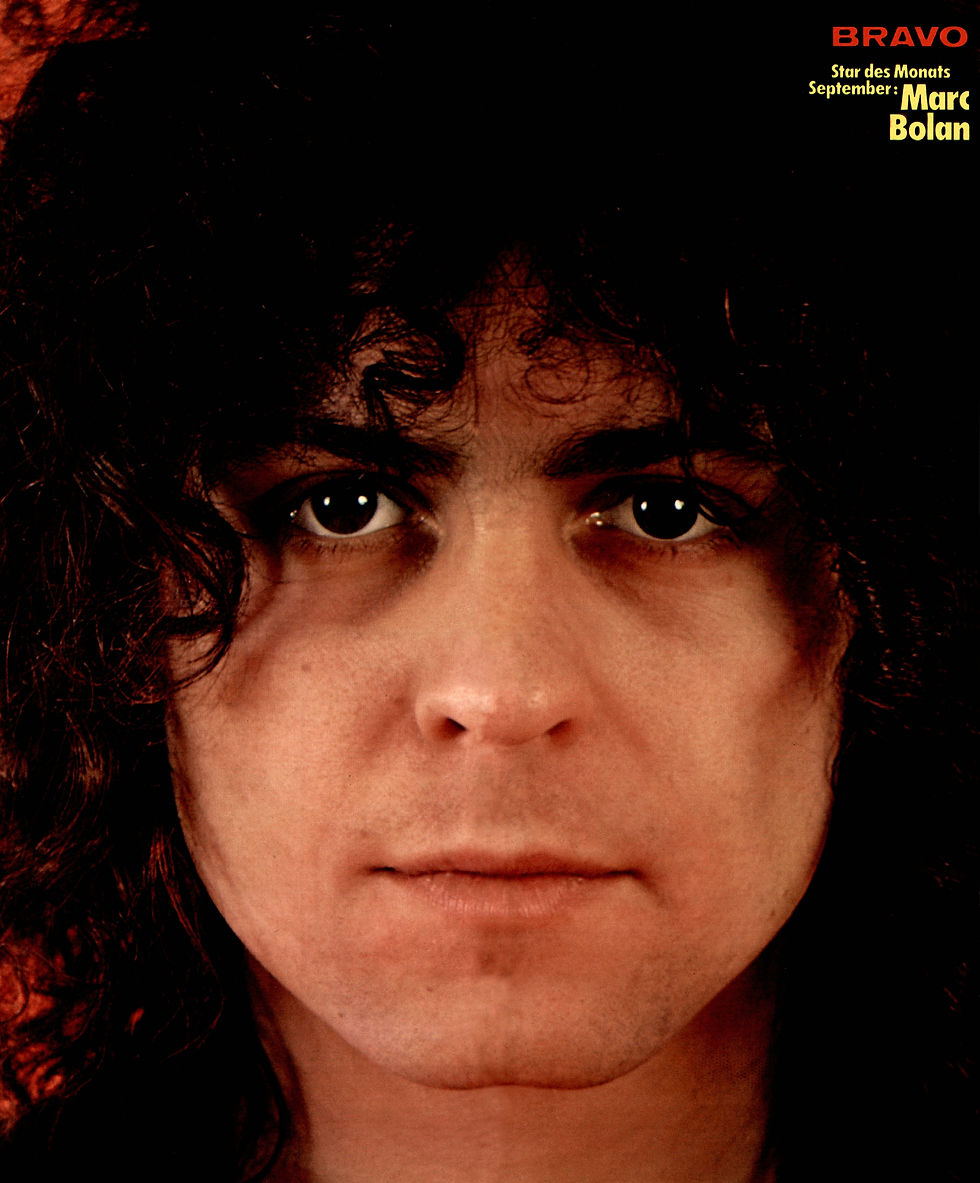
Marc Bolan, born Mark Feld in 1947, had been a marginal figure in the late 1960s with his folk-psychedelic duo Tyrannosaurus Rex. By 1970, he streamlined the band’s name to T. Rex and shifted their sound from acoustic mysticism to electrified, hook-driven rock. The release of “Ride a White Swan” in October 1970 marked a turning point. Its infectious riff, playful lyrics, and Bolan’s distinctive warbling voice captured a new vibe: simple, sexy, and celebratory. The song reached No. 2 in the UK charts, signaling the arrival of a new sound.

Bolan’s importance lies in several key areas:
1. Pioneering Glam Rock:
Bolan is often credited with inventing glam rock, a genre that combined catchy, guitar-driven pop with theatrical visuals and androgynous style. His 1971 album Electric Warrior, featuring hits like “Get It On” (known as “Bang a Gong” in the US) and “Jeepster,” crystallized this aesthetic. The music was direct and danceable, a stark contrast to prog’s complexity or folk’s introspection. Bolan’s use of glitter, feather boas, and bold makeup—paired with his elfin charisma—created a new archetype for rock stars, inspiring contemporaries like David Bowie and later acts like Roxy Music.

2. Reviving Rock’s Energy:
In 1970, rock was at risk of becoming overly serious or niche. Bolan brought back its primal, fun-loving spirit. His songs, with their boogie rhythms and singalong choruses, were designed for mass appeal, bridging the gap between underground credibility and chart success. T. Rex’s string of UK hits in 1971–1973, including “Hot Love,” “Telegram Sam,” and "Metal Guru" sparked “T. Rextasy,” a teen frenzy reminiscent of Beatlemania. This accessibility made rock exciting again for a younger audience.

3. Influencing Fashion and Identity:
Bolan’s flamboyant image—satin jackets and glitter-dusted cheekbones—challenged gender norms and introduced androgyny to mainstream pop culture. In 1970, most rock stars dressed in jeans or flowing robes; Bolan’s bold, colorful style was revolutionary. He made it acceptable for men to embrace femininity, paving the way for artists like Bowie, Elton John, and later Prince. His influence extended beyond music into fashion, inspiring designers and subcultures like punk and new romanticism.
4. Bridging Past and Future:
Bolan’s music drew heavily on 1950s rock ‘n’ roll (think Chuck Berry riffs) but infused it with a futuristic, cosmic edge. This blend of retro and avant-garde resonated with audiences seeking both nostalgia and novelty. His lyrical mix of surrealism, mythology, and youthful rebellion influenced the poetic sensibilities of punk poets like Patti Smith and the theatricality of 1980s pop.

5. Cultural Impact and Legacy:
Bolan’s success showed that rock could be both artistic and populist, serious and playful. His influence is evident in punk’s DIY ethos (The Sex Pistols covered T. Rex), new wave’s theatricality (think Adam Ant), and alternative rock’s eclectic spirit (from The Smiths to Nirvana). Even today, artists like Harry Styles owe a debt to Bolan’s gender-bending charisma.

Why Bolan Matters
Before Bolan, the music scene of 1970 was rich but lacked a unifying, electrifying force. Progressive rock was too cerebral for some, folk too introspective, and pop often too saccharine. Bolan filled this void with a sound and image that were bold, accessible, and forward-thinking. He made rock fun, sexy, and visually spectacular, creating a template for the modern rock star. His tragic death in a car accident in 1977, at just 29, cemented his legend, but his influence endures.
Marc Bolan didn’t just change music; he changed how music felt. He brought color to a graying scene, proving that rock could be a celebration of individuality and joy. As the architect of glam rock and a cultural icon, Bolan’s legacy is not just in his songs but in the freedom he gave artists to dream big, dress loud, and defy convention.


I've been a fan since age 16 when I first heard the Slider album on 8 track! I was hooked immediately, I fell in love with his style of music, the beat, the lyrics and of course Marc 🤍
I am now 61 years young, I post his pictures all the time and listen to his music regularly.
T~Rex opened my eyes , ears and soul to Rock and Roll 🎶🎩🎶